About This Module
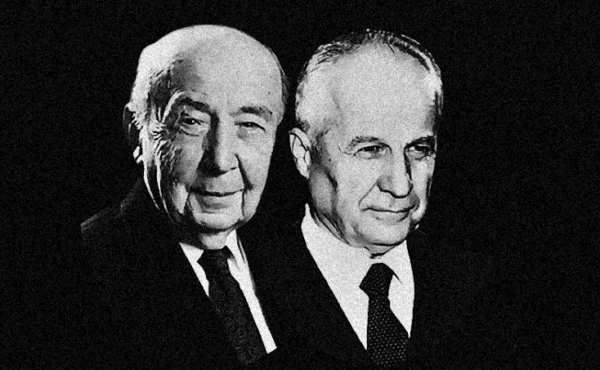
Turkish businessman Vehbi Koç and Turkish military leader and statesman Kenan Evren
This module explores why business groups collaborate with authoritarian regimes.
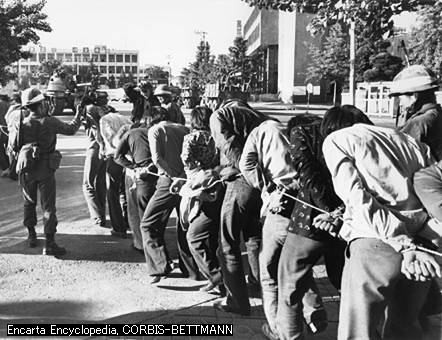
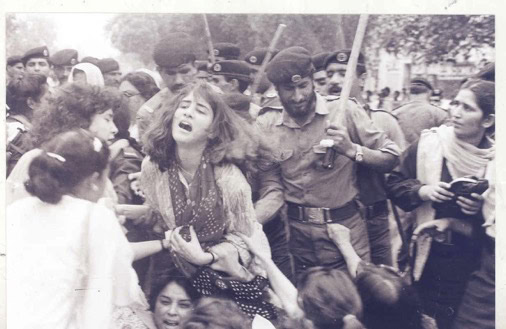
The setting is Turkey in the fall of 1980 in the wake of a military coup that brought Kenan Evren to power. His regime orchestrated the arrest of 650,000 people—about 1.5 percent of the entire population—the torture of tens of thousands, hundreds of extralegal executions, and the carrying out of forty-eight death sentences. The primary source is a letter sent by Vehbi Koç, among Turkey’s most important and influential businessmen in this era, to Evren in the early weeks after the coup. Professor Burak Sayim sets Koç’s advice in the letter against a wider context of significant Turkish social and political unrest in the late 1960s and early 1970s. Anti-imperialism stood at the center of the Turkish student movement, while unions raised economic and, increasingly, outright political demands, including a push against various apparatuses of state repression. The teaching plan asks students to engage with the document by examining how different interest groups and collective actors interact with authoritarian regimes, considering factors such as class, ethnicity, and gender. The letter offers an opportunity for students to problematize the presumed relationship between democracy and economic liberalism, reminding them that powerful business interests can align with authoritarianism under the right conditions. As part of Authoritarianism 101, this module enables teachers to examine the theme of authoritarian practice along with civil society collaboration with and opposition to authoritarian rulers.
Access Full Module
Contributor
Burak Sayım
Burak Sayım is a Swiss National Science Foundation Ambizione Fellow at the University of Basel and the PI of the Anticolonial Internationalism in the Interwar Middle East project. His work has won several prizes, including the Walter Markov Prize, the Toynbee Prize Foundation First Book Workshop Competition, and an honorable mention from Amílcar Cabral Prize. His first book on the emergence of Middle Eastern communism in the 1920s is under contract with the University of California Press.
Have you used this module with your students?
We want to hear from you! Give us your feedback here.