
About
Authoritarianism 101: A Global History is a set of 30 primary source-driven teaching modules designed to offer teachers and students a broad perspective on the history of authoritarianism. The AHR commissioned historians working on authoritarian histories in Africa, Asia, Europe, Latin America, the Middle East, and North America to write teaching modules that explored a singular instance of an authoritarian past. Temporally, they range from the seventeenth to the early twenty-first centuries, with the bulk of modules concentrating on the long twentieth century.
Each module fuses scholarly content and teaching, nesting the source in a core question, a brief context essay based on the latest scholarship, and a teaching plan that suggests varied ways to dissect the primary source. We hope that high school social studies teachers see in the modules a way to study authoritarianism through the inquiry arc, and that college professors recognize the kinds of core questions that animate the research and teaching in their fields. The query-driven design of the modules reminds us that, at its best, history is a discipline driven by good questions, the kind that lead us to compelling human stories and dilemmas worthy of deep reflection and ongoing debate.
Everything you need to teach these modules successfully in your classroom is readily at hand, including video and podcast interviews with many of the project contributors who talk about how and why they created their modules and offer some additional teaching tips. Along with the classroom, we imagine these modules could be used for student-led discussions in high school or college about the histories of authoritarianism, or even in reading groups at local public libraries. The project’s Authoritarianism 101 Reading List offers an even deeper dive into the global histories of authoritarianism. This project is part of the American Historical Review’s #AHRSylllabus.
Modules by Region
Authoritarianism 101 is by design a global history and features modules from all areas of the world. Hover over a continent on this map and click to see the Authoritarian 101 modules for that world region.
Major Themes
The teaching modules that make up Authoritarianism 101: A Global History explore three dimensions of authoritarian history: practices of authoritarianism, challenging authoritarianism; and the visual cultures of authoritarianism.

Practices of Authoritarianism
These Authoritarianism 101 modules are concerned with the practices and tools of authoritarian rule. They examine such issues as the political, economic, social or cultural dimensions of a particular authoritarian turn; the daily workings of an authoritarian regime; how authoritarian states seek legitimacy; surveillance and the rule of law in authoritarian states; and individual and civil society support for and collaboration with authoritarian states.
Challenging Authoritarianism
These Authoritarianism 101 modules concentrate on resistance to an authoritarian turn and explore everyday histories of living under authoritarian rule. They examine a variety of civil society challenges, including resistance to repression of freedom of expression and other civil liberties, challenges by Indigenous peoples to authoritarian governance, efforts to maintain resilience in the face of state brutality, and the use of satire in mobilizing strategies of resistance.

Visual Cultures of Authoritarianism
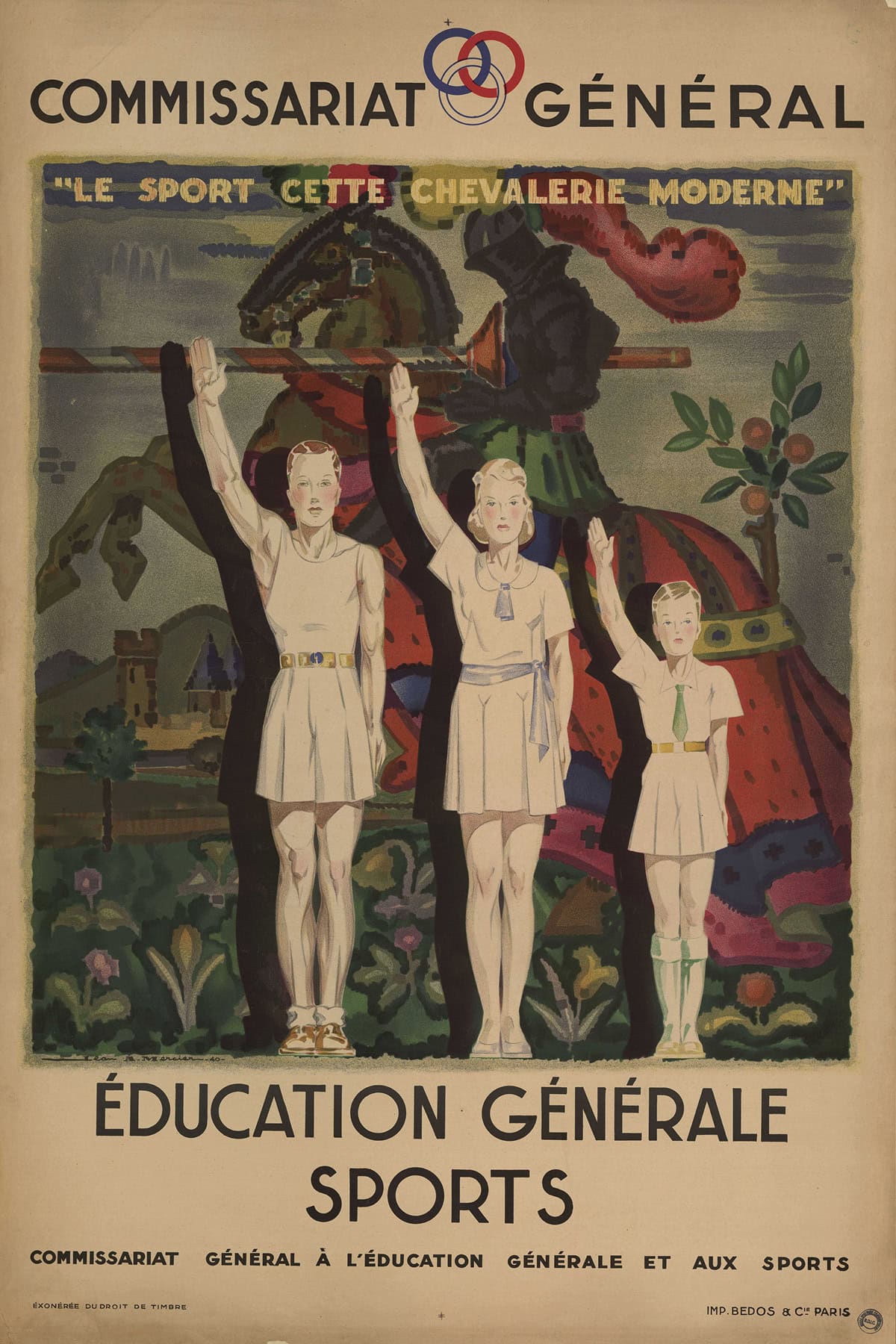
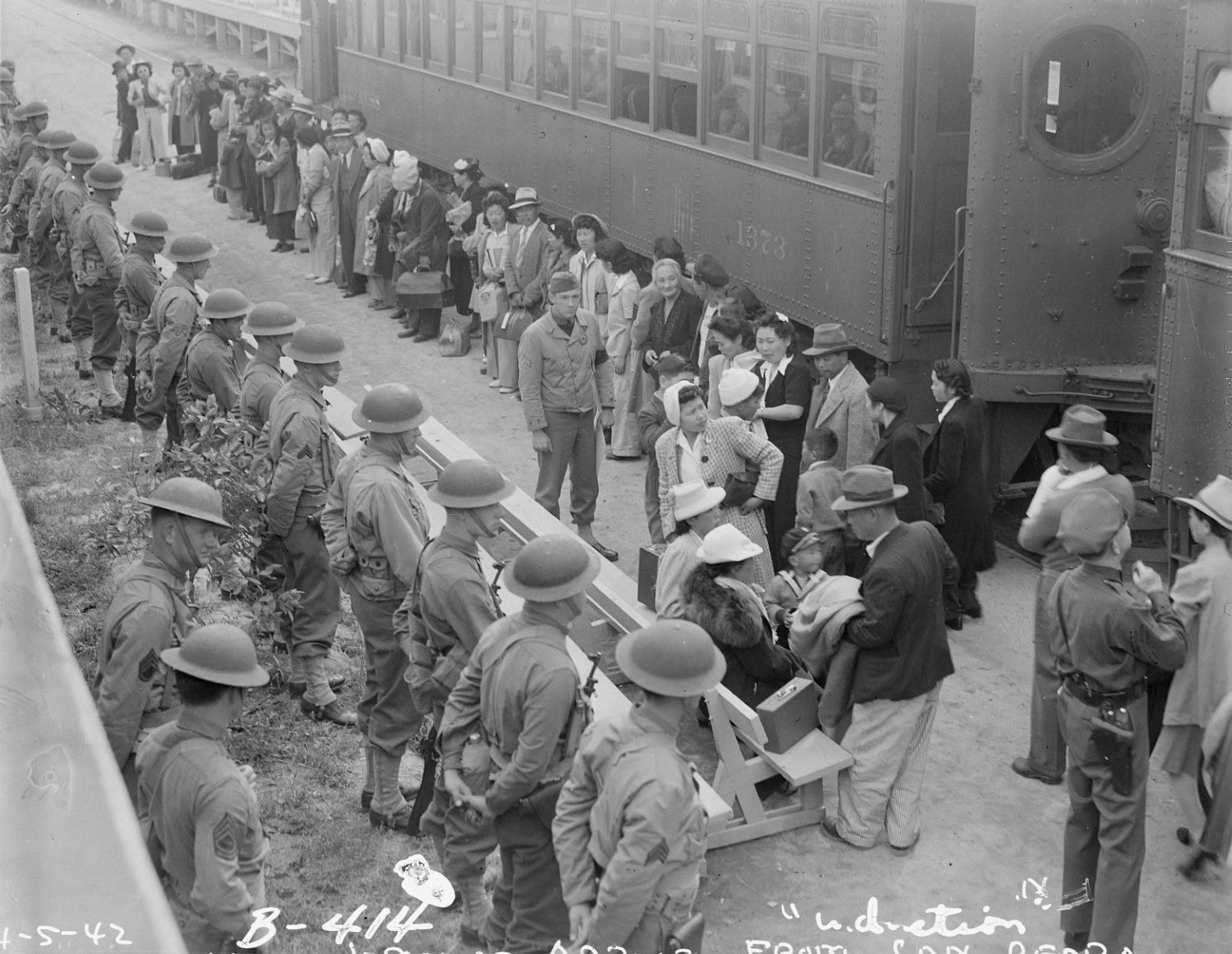
These Authoritarianism 101 modules use images or videos as their primary sources to examine how authoritarian regimes, or those resisting those regimes, expressed their ideologies and aims. The primary sources in this group include photographs, cartoons, propaganda posters, a board game, popular films, an interactive web-based animated documentary, and an art installations.
Explore All Modules
All the modules that make up Authoritarianism 101 are available here and searchable by geographic region, theme, country, time period, and classroom level.
Authoritarianism 101
Reading List
This annotated reading list introduces teachers and students to the most transformative global histories of authoritarianism across time and space.
AHR Syllabus
Authoritarianism 101: A Global History is a part of the #AHRSyllabus, a project designed to showcase how historians do the work of history in the early 21st century.