
-
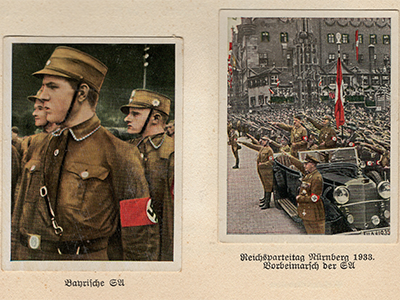 A Trading Card Collection
Everything Has a History
David K. Wessel | Apr 25, 2024
Not all childhood memorabilia are innocent.
-
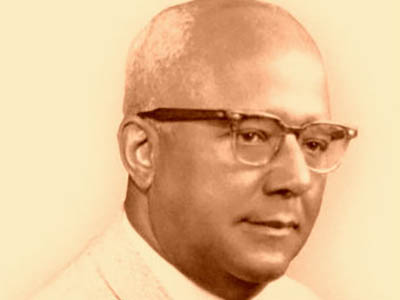 William Hansberry (1894–1965)
In Memoriam, Long Overdue
Mark Lewin | Apr 24, 2024
This Long Overdue tribute honors Horacio Roque Ramírez, historian of Africa at Howard University, wbo died on November 3, 1965.
-
 Who Is in Charge of History Curricula? Some Findings from the AHA’s Research
AHA Activities
Whitney E. Barringer, Nicholas Kryczka, and Scot McFarlane | Apr 17, 2024
The AHA’s Mapping the Landscape project has found that teachers are facing a perennial question.
-
 A New Face at the AHA: Meet Maria Zavarello
AHA Activities
Lizzy Meggyesy | Apr 23, 2024
The AHA welcomes Maria Zavarello as the new director of finance.
Most Recent
-
 Tracking Undergraduate History Enrollments in 2023
Julia Brookins | Apr 16, 2024
Read the results of the AHA’s 2023 survey of undergraduate history enrollments.
-
 Embodied Knowledge
Lauren Mancia | Apr 11, 2024
What can a third grader teach a historian about her craft?
-
 Archival Shouting
Karin Wulf | Apr 10, 2024
Some collections of historical sources have been given a microphone, with profound consequences for the practices of history.
-
 Teaching LGBTQ+ History
Anne Gray Fischer | Apr 9, 2024
As states pass legislation targeting DEI efforts, one historian offers her experience teaching LGBTQ+ history in these challenging times.
-
 Listening to Our Subjects and Ourselves
Thavolia Glymph | Apr 3, 2024
An empathetic connection can be one of a historian’s most valuable tools.