In 2022, the Georgia legislature passed HB 1084, known as the “Protect Students First Act,” which banned the teaching of “divisive concepts” about topics including race. This law raised serious concerns about how to teach hard histories, particularly the Confederacy’s legacy. Georgia has a precarious role in ongoing debates over racial equity and its threats to white supremacist histories. Although Governor Roy Barnes eliminated the state flag’s “stars and bars” in 2001, Confederate vestiges remain throughout the state, including at Stone Mountain Park.
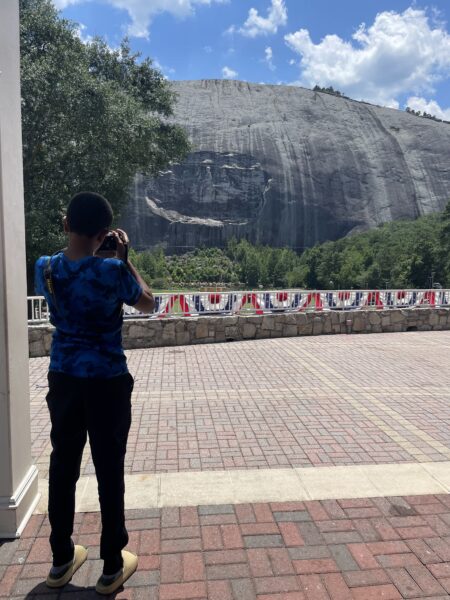
A young researcher documents his visit to Stone Mountain Park as part of a youth participatory action research project. Katherine Perrotta
Located east of downtown Atlanta in DeKalb County, Stone Mountain Park is a major tourist and recreational attraction, popular for hiking, boating, and seasonal festivals. Stone Mountain Park is also the site of the world’s largest Confederate monument, where carvings of Stonewall Jackson, Jefferson Davis, and Robert E. Lee are brandished on the side of the mountain. During the early to mid-20th century, Stone Mountain was the site of Ku Klux Klan rallies and cross burnings. Only meters away is the community of Shermantown, which was established by emancipated African Americans after the Civil War and is rumored to be named for Union General William T. Sherman.
As former secondary teachers from the Midwest and Northeast transplanted to Atlanta as education professors, we learned a lot about the history of Georgia by visiting historical sites in order to teach place-based pedagogies to preservice and in-service teachers. After HB 1084 passed, we grappled with the question, How can we create curricular materials and support systems for educators to teach K–12 students hard histories about topics like Confederate monuments and race? We realized that creating such materials required engaging in place-based research about the complicated histories of Stone Mountain Park and Shermantown.
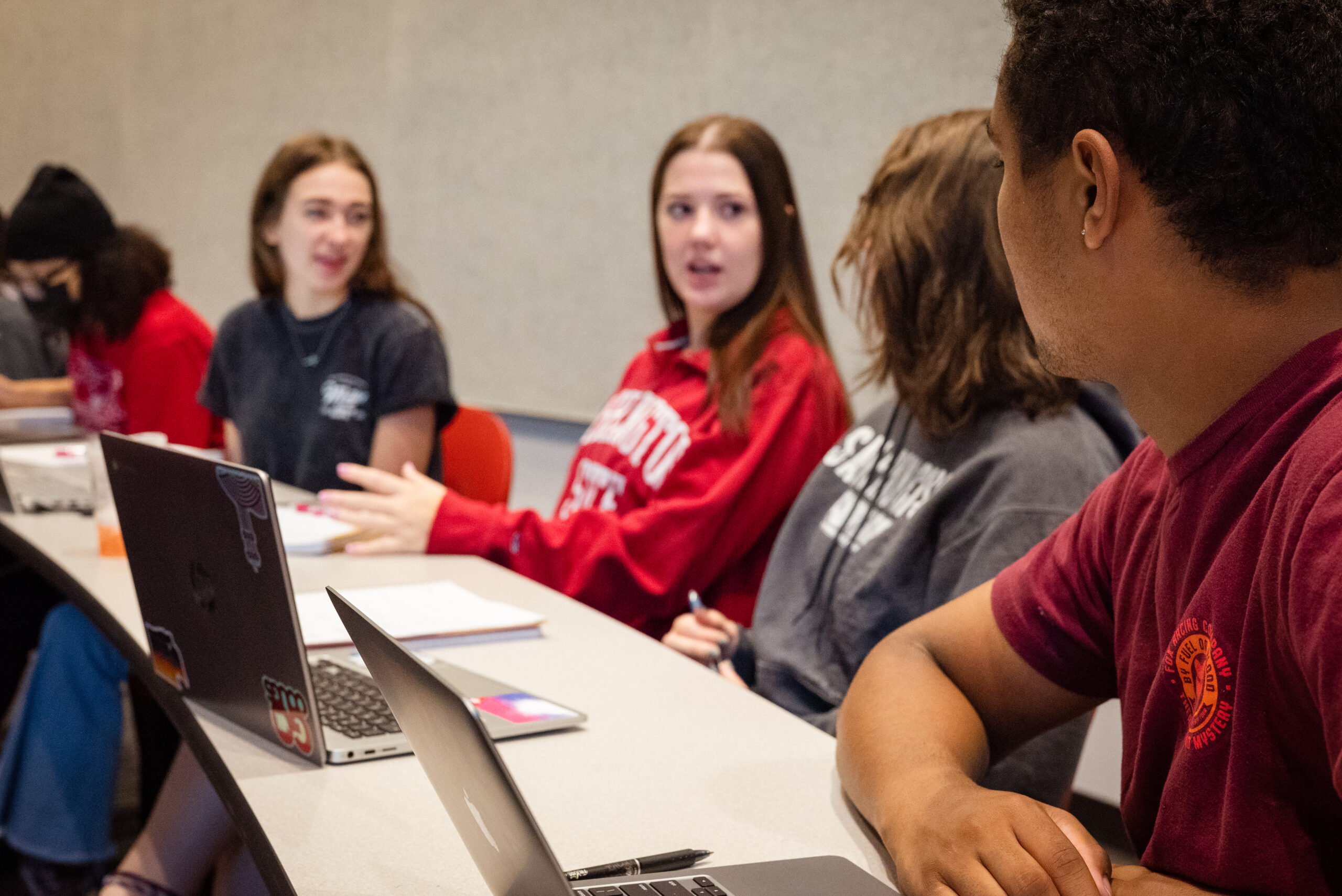
In 2023, we partnered with the Linguistic Justice Collaborative on their youth participatory action research (YPAR) summer literacy project. We worked with a high school social studies teacher and five high school students from DeKalb County, Georgia, on the history of Stone Mountain and Shermantown. YPAR refers to the 20th-century critical research methodologies, most notably by Paulo Freire, where youth and adult co-researchers work together to examine how their positionalities, knowledge, and perspectives play an integral role in collecting and analyzing data with the goal of enacting change in their communities. During this five-day project, students and adults worked together to create research questions, find primary and secondary sources to answer them, and identify ways to disseminate research findings to the Stone Mountain and Shermantown communities.
On day one of the project, students and adults shared their experiences with Stone Mountain and Shermantown, explained why they wanted to be part of this program, and brainstormed research questions. When asked why they wanted to participate in this project, individuals offered responses ranging from “I want to learn more about my community and Shermantown” to “I want to try to new things” to “I’m living in a place surrounded with other people’s history.” The research questions included: What do community members think about the Confederate monument? What happened to buildings and places that used to be in the community, such as the granite quarry in Stone Mountain? And what is happening now in the community?
After the brainstorming session, the social studies teacher led the group on a walking tour of Shermantown. They learned how Venable Street was originally named after the Stone Mountain quarry owner and a Klan leader, but it was changed in 2019 to Eva Mamie Lane to honor two women, a mother and daughter known for their community organizing. One student said, “The street names should be representative of the community and . . . the values that they hold . . . I’m glad that that change was made and learning about that.” Students also considered the ramifications of changing street names. One student proposed that historical artifacts like “street names” that represent “bad things” need preservation to avoid being forgotten. The discussions about renaming streets engaged students in the complexity of historical thinking and research when making judgments about the past that are based on contemporary views.
Community elders shared oral histories about Shermantown.
Next, the group visited the local Baptist church, where community elders shared oral histories about their ancestors’ and their own experiences growing up and living in Shermantown and with school integration in the 1960s. One youth researcher reflected that it “really wasn’t that long ago when [the elders] lived here and had completely different experiences from the ones that we have right now.” Another student remarked that meeting with the community members helped them to realize “what things happened there,” like segregation, that are not visible today. This experience resonated with both the adult and youth researchers who realized how the civil rights movement was not in the distant past.
During the walking tour and while listening to the oral histories, youths carefully recorded audio and took notes, then analyzed the data by asking questions of the differences and similarities among stories of racialized violence, intimidation, and co-existence. Through intergenerational dialogue, they found that different individual experiences within the same geographic space and time led to different historical narratives. This helped them to develop refined research questions and imagine possible ways to disseminate their findings.
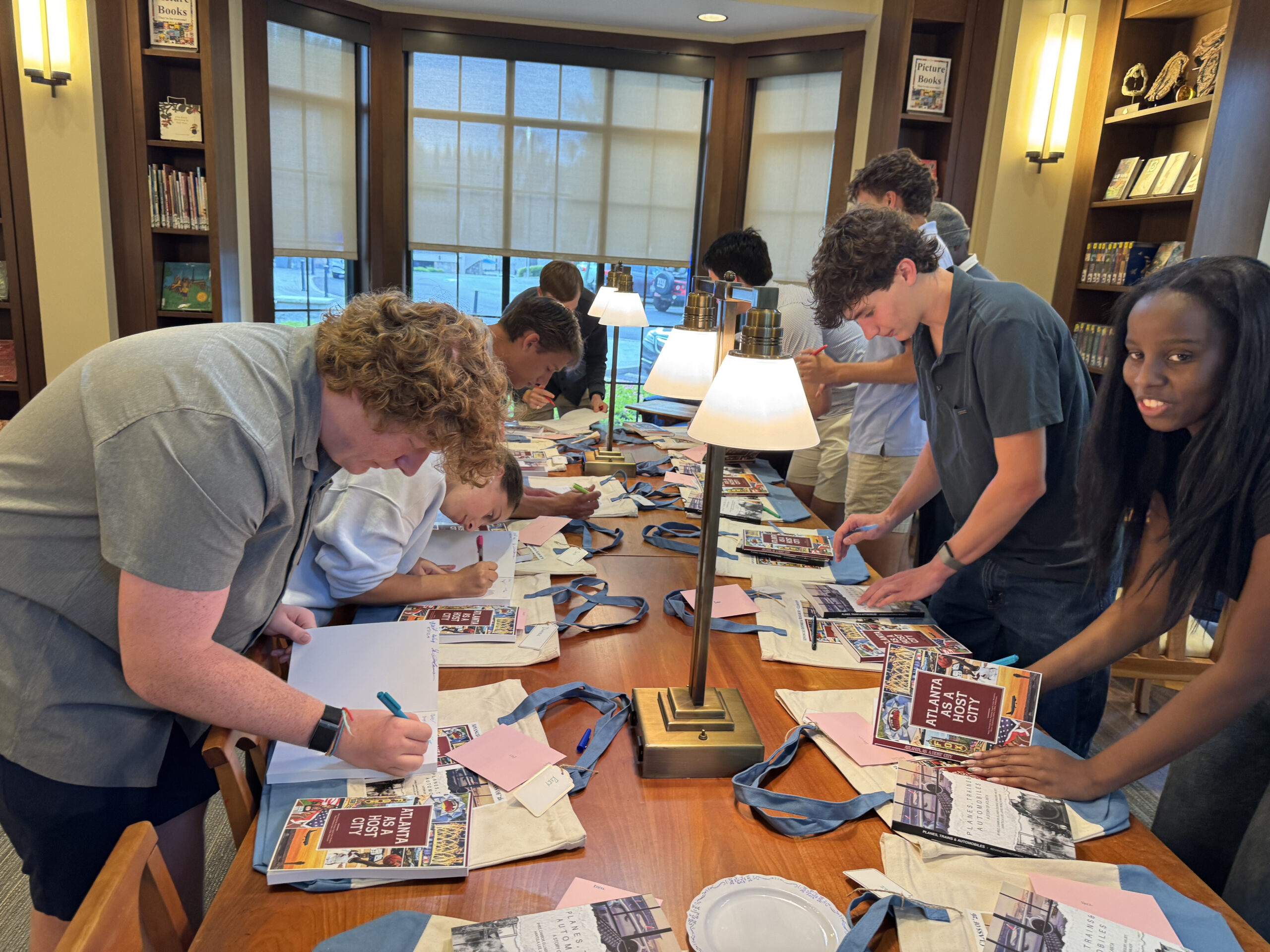
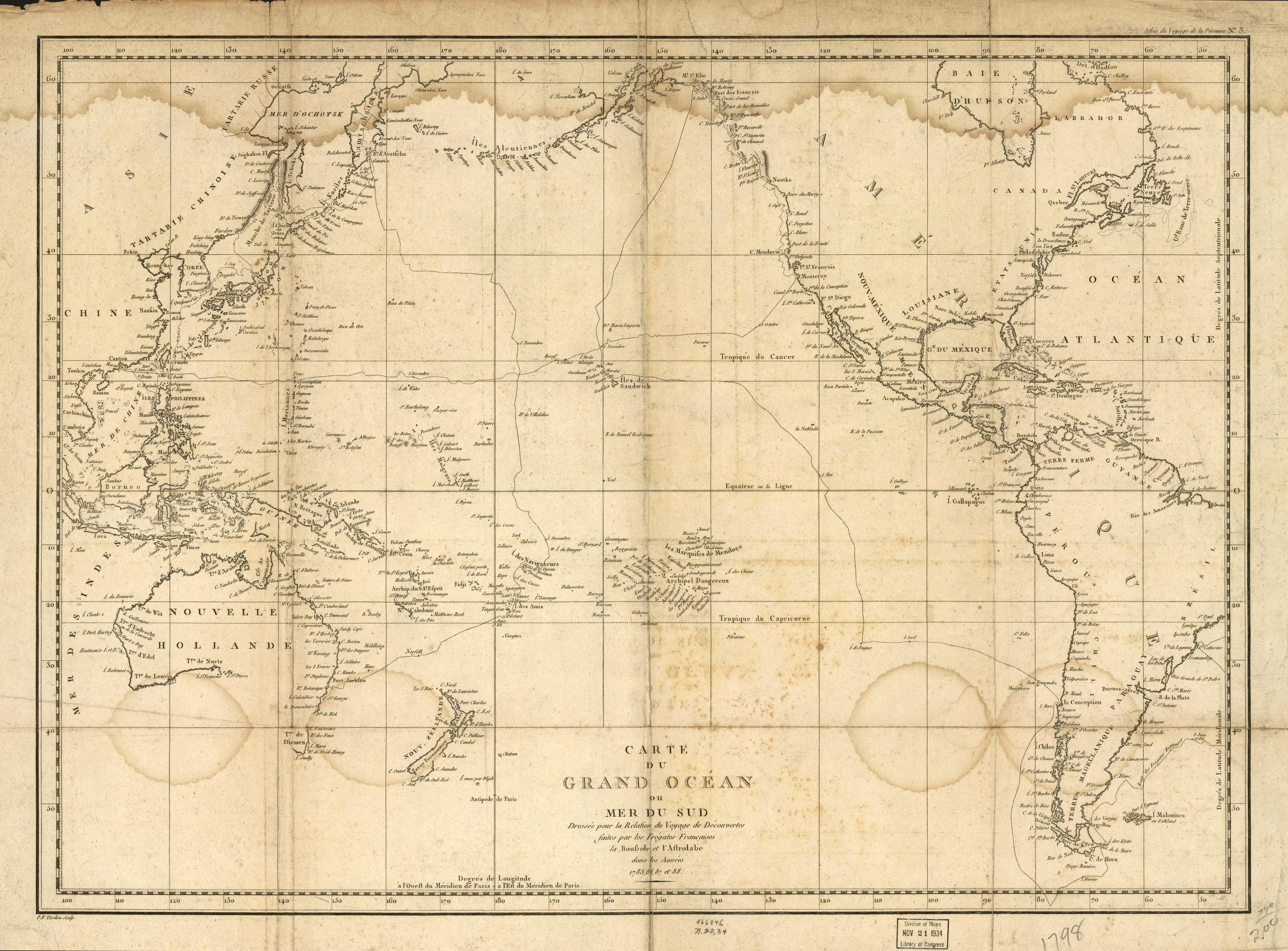
To put the individual oral histories in conversation with larger regional histories, the group visited the Atlanta History Center on day two. The archivists displayed books, posters, newspapers articles, and maps relating to Shermantown, Stone Mountain, and DeKalb County history that students held, read, and analyzed as primary source evidence. These documents helped them answer their research questions and provided historical context to the oral histories from Shermantown community members.
Comparing individual historical narratives to larger regional narratives raised questions about verifying and corroborating sources. Therefore, on days three, four, and five, the research team strategized about what sources they needed to find and analyze in order to answer their questions. Youths spent time in Shermantown and Stone Mountain, taking pictures and interviewing people in restaurants, small businesses, and the park to learn what they thought about the Confederate monument and what they knew about the community’s history.
The youths learned firsthand about people’s differing perspectives on the history and contemporary legacy of Stone Mountain. For instance, one student thought it was “weird” that a white shop owner had different recollections of race relations in Stone Mountain compared to the Black elders. Students engaged in the complexities of historical research by realizing how people who lived in the same place at the same time could have different experiences. These insights show that youths can also corroborate the perspectives of living and past people through place-based research and analysis of multiple primary sources. By the end of the week, youth team members proposed disseminating their research findings through YouTube shorts, GIS mapping, podcasts, and local history placards placed throughout the community.
This project continued and expanded during the summer of 2024. Additional youth researchers, social studies teachers, education professors, and graduate students worked together to collect and analyze primary source data to create materials for a community teach-in. At this event, the youth and adult co-researchers shared their findings and offered visions of Shermantown’s present and future with photograph collages and original artwork, recordings with community elders, petitions to remove the Confederate monument at Stone Mountain Park, and public speeches at the community’s Juneteenth event. The YPAR and historical research methodologies of this ongoing project exemplify how collaborations among educators, academics, youths, historians, and community members can enrich inquiry by preserving the past with methods that promote civic engagement and historical empathy.
Place-based historical research serves a public good.
Place-based historical research like this YPAR project serves a public good by bringing communities together to confront the complexities of the past and assess the past’s impact on present-day values and potential futures. We learned that promoting dialogue about local history among youths, researchers, and community members can be a powerful approach to teaching hard histories, even in places with laws that limit education topics. Students can bring these place-based experiences back to their classrooms by making connections between the curriculum and their experiences conducting local history research.
Although a weeklong place-based research project may not be feasible for all classroom teachers, we encourage teachers to reach out to community members, historical organizations, libraries, local businesses, and other entities such as educational nonprofits that can support inquiry-based history instruction. Teachers and partners can facilitate access to multiple types of primary sources, which coupled with multimodal digital and analog tools can provide youths with creative outlets to take informed action in their communities by sharing their research publicly.
Teaching about the complex histories of Confederate monuments and race in Stone Mountain and Shermantown is challenging, especially with executive orders and state laws that ban teaching “divisive concepts.” However, these challenges can present opportunities for teachers to engage students in inquiry about how and why historical significance and memory are determined and how they change over time. We encourage teachers and students to work together using curricular strategies we describe here to preserve living histories of places like Shermantown through place-based learning and public history that leads to informed action in their communities.
Katherine Perrotta and Leah Panther are associate professors in the Tift College of Education at Mercer University.
This work is licensed under a Creative Commons Attribution-NonCommercial-NoDerivatives 4.0 International License. Attribution must provide author name, article title, Perspectives on History, date of publication, and a link to this page. This license applies only to the article, not to text or images used here by permission.