In April, I watched a group of high school seniors hold their finished books for the first time. In their hands were glossy paperbacks containing the historical research they had conducted, synthesized, and developed into original narratives. The pride on their faces confirmed that giving students the opportunity to do history is a transformative experience. Teaching students how historians work, rather than simply what historians know, has proved a powerful pedagogical tool—one that engages students and equips them with skills they need to be successful in college and beyond.
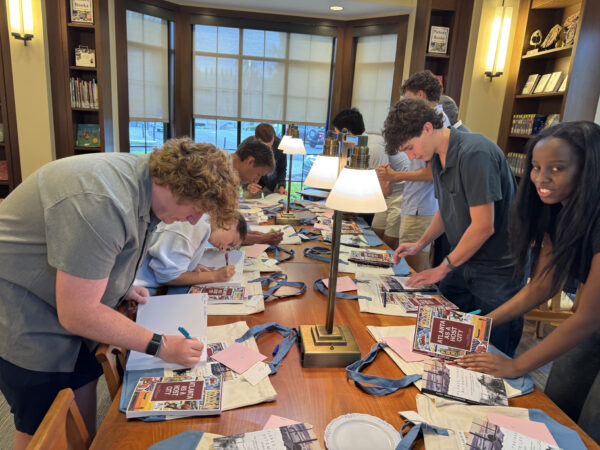
Pace Academy seniors sign copies of the books they researched, wrote, and edited at the completion of their history methodology course. Arminda Lawrence Sr.
I teach a historical research methodologies course for high school seniors at Pace Academy, a private, independent school in Atlanta, Georgia. For their signature project, students spend nine months researching a topic of local interest to the Atlanta region and writing a manuscript that we then self-publish. In 2025–26, their dedicated effort resulted in two book-length monographs. It was the third time I have used this assignment, which has helped to make this an incredibly popular course.
I kick off the course by providing a solid foundation in historical writing and research methodologies. Most of my students have never read historical writing beyond the textbooks in their survey course or the paragraphs that precede short-answer questions on an AP assessment. Before we can begin the research project, they need to know the basics of doing history and how historians think and write. At the beginning of our year together, I ask students to read and critically evaluate book chapters or scholarly journal articles. I select interesting texts that feature descriptive, attention-grabbing writing and the creative use of diverse primary source material. I prefer to assign selections by working historians who can Zoom in (or visit, if they’re local) to answer questions about their piece and the craft of writing history. Professors have been incredibly gracious with their time, and my students have benefited immensely from learning the tricks of the trade from experts in the field. In the first month, students also learn how to use research and citation tools. I train them in database search techniques and show them how to use RefWorks to organize research and manage citations, and then we practice properly formatting footnotes and bibliographies.
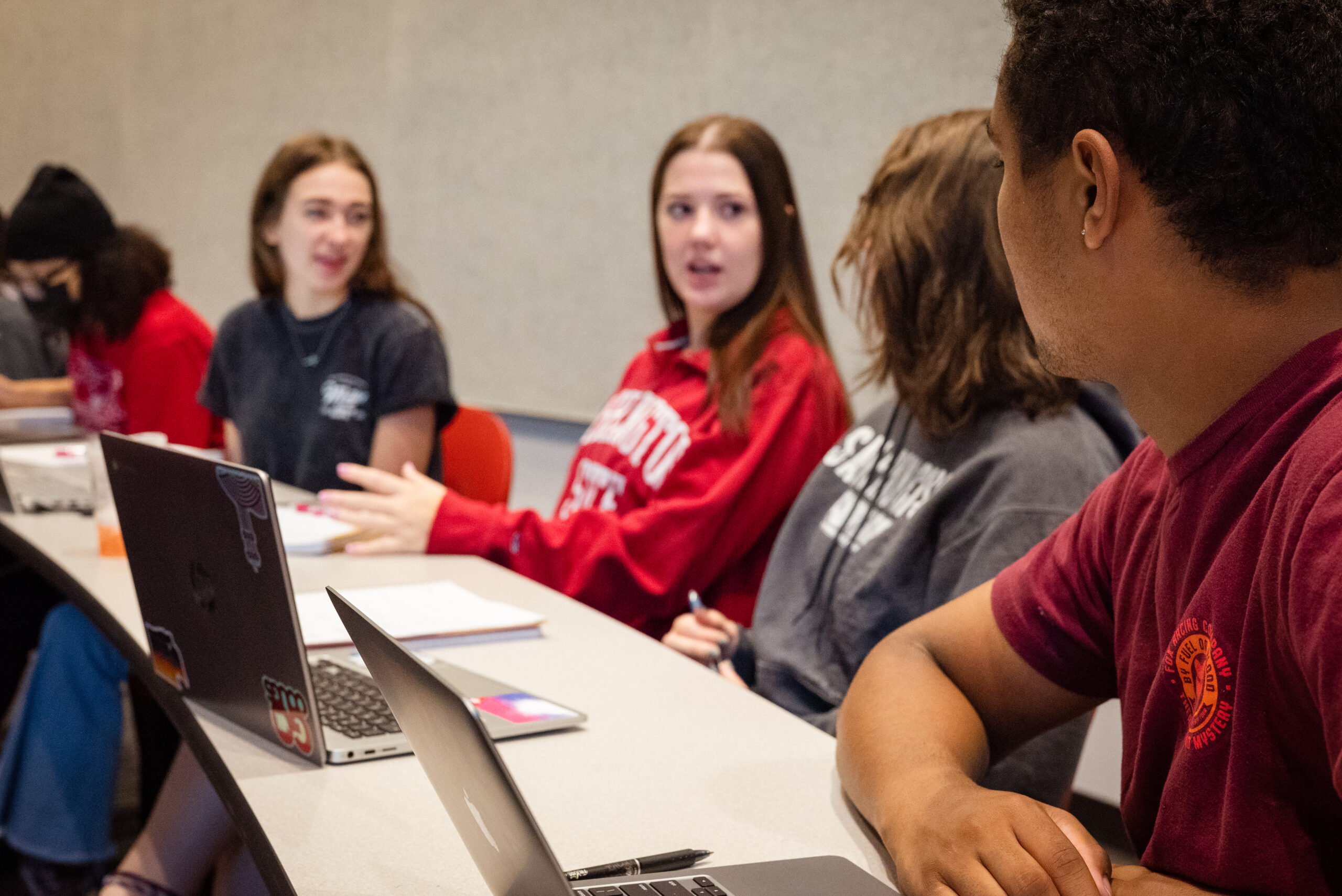
Though I help them hone their research skills, by and large the students are in charge of the future book’s evolution. The course structure forces them to engage collaboratively in all aspects of the manuscript development process. They pitch potential book topics to their peers in a series of presentations and then cast a vote. In the latest course, students settled on two topics: “Atlanta, as a Host City” and “Planes, Trains, and Automobiles In and Around Atlanta.” Because they are involved in every aspect of the book’s creation, they are also invested in its success.
The students are in charge of the future book’s evolution.
With topics selected, students divide themselves into two groups (this year, each had 10 or 11 students) based on their interests and then start the research. Groups identify three secondary sources to read and discuss together. This reading assignment grounds their basic understanding of the history and is the foundation for their research. Once this is completed, I ask students to identify the major themes or topics needed to tell their story, which then determines the subject matter for their chapters. I assure them that these ideas will likely change as the research progresses. From there, they divide these potential topics among themselves, create a project schedule, and begin conducting research.
The historical research process is new to them. Before this class, students have never accessed physical or digital archival resources. But we are fortunate that our school is just a couple of miles from the Atlanta History Center, where students get their entrée into primary research. Before our visit, I coordinate with the center’s research manager on an initial session that introduces primary sources available on their book topics and teaches them how to access the center’s physical and digital archival materials.
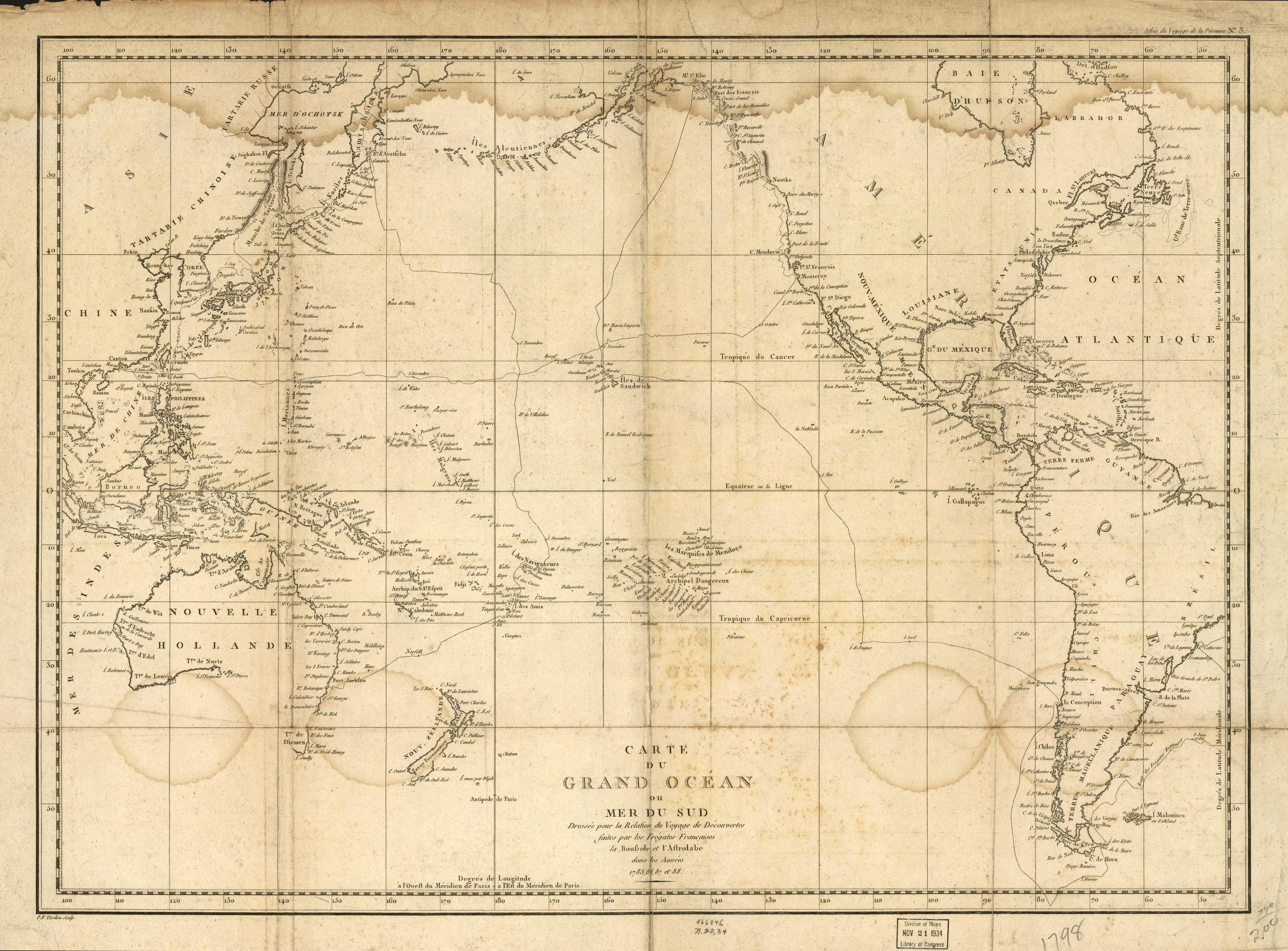
Students excitedly pored over striking collections of Metropolitan Atlanta Rapid Transit Authority plans and Cotton States and International Exposition souvenirs that the archivists had graciously pulled in advance. I could barely tear a group of young men away from a late 19th-century map of Fulton County. Following our visit, students made subsequent appointments directly with the research manager to view materials during our scheduled class time or a free period.
Following their initial research, students write a draft of their chapter, which is usually due just before the December holiday break. Each student is responsible for researching and writing at least 10 pages of a chapter. While they’re allowed to work together on longer chapters, most students choose to work alone. Beyond the length requirement, students must include a historically defensible thesis, properly formatted citations, and a diversity of primary sources for this first effort.
These drafts are very rough. My students need a lot of feedback on their initial effort and often considerably more primary research to support their claims and enhance the historical narrative. I direct them to additional sources in one-on-one meetings. They revise their drafts, again and again, while also writing introductions and conclusions for the book to frame their narratives. This 10-week revision phase is especially difficult for high school students. They are unaccustomed to writing that requires multiple rounds of revision and editing. They often wonder aloud when their chapter will ever be done!
But the end result is so worth the effort. In April, we celebrate their hard work at a book launch party, to which we invite students’ parents and school administrators. Each student receives a printed copy of their book, signed by their editorial team of classmates. In their hands is a celebration of their hard work and commitment to developing their craft as budding historians. On that happy day, I see truly transformed students who are now capable of reading and analyzing complex primary and secondary sources, weaving those sources into historical narratives, and grinding out a polished finished product that took months of concerted effort. The books are housed in the school library, and copies are also sent to the Atlanta History Center archives. These high school seniors are no longer simply students—they are published authors and, in a real sense, historians.
The book in their hands is a celebration of their hard work and commitment to developing their craft as budding historians.
My students certainly feel that the course was worth their effort too. Throughout the year, I survey the class for feedback to improve the course. When asked what skills they’ve learned from the class and whether they think they will use those skills in the future, repeatedly students have expressed the value of learning research skills. One student said it was “so important for future career opportunities. I’ve learned how to go into the archives and how to determine what I’m actually searching for.” Others have identified citation management, targeted searching, and the ability to work in groups as areas of growth gained from the course. “Learning how to use RefWorks has changed my life,” one wrote. Another shared that “the skills learned in this class are so important for college and beyond. I now know how to access better research than what ChatGPT provides.” Describing the impact the course had on her, a student explained, “I understand now how history texts are constructed, and I have a greater appreciation for the work that historians do and a stronger passion for history.”
This assignment fundamentally reshapes students into critical thinkers and researchers. The skills are certainly transferable to other secondary and postsecondary school settings, but that said, I know that what has worked at Pace Academy would not work everywhere. Collegiate and public school applications may require variations to my model, such as limiting the output per student to just one polished chapter each, which is still a worthwhile opportunity to nurture historical research and writing skills. From my conversations with colleagues teaching at public schools, I found that it may be necessary in some districts to limit students’ choice of research topics and scope to align with applicable state standards. And it would be hard to fit both the necessary skills training and manuscript development into a one-semester college course.
But there are ways to make this project manageable given the considerable budgetary and time constraints many educators face, while still providing students the opportunity to think and work like historians. My approach requires very little school funding. I invited historians to meet with my students via Zoom, relied on students for transportation to local archives, and used Amazon KDP to print books at a cost of four dollars per student—far less than the price of a textbook. If time is at a premium, educators can assign the research topic themselves and have students author shorter chapters that align with curriculum standards. Students can use Zotero, a free citation management tool, and other free online resources such as local digital archives or classroom-use versions of Ancestry.com and Newspapers.com.
When students are given the opportunity to do history rather than simply consume it, the results speak for themselves: greater engagement, stronger research skills, and a genuine passion for the discipline that extends well beyond my classroom. Whether teachers have access to a world-class archive or just an internet connection, the tools to bring historical methodology to life are within reach. The effort is real, but so is the reward: students who leave your classroom not just knowing history but knowing how to think and work like historians.
Arminda Lawrence Sr. is a veteran high school history educator at Pace Academy in Atlanta, Georgia. A nationally recognized educator, she was named Georgia’s History Teacher of the Year in 2023 and a James Madison Fellow in 2025.
This work is licensed under a Creative Commons Attribution-NonCommercial-NoDerivatives 4.0 International License. Attribution must provide author name, article title, Perspectives on History, date of publication, and a link to this page. This license applies only to the article, not to text or images used here by permission.