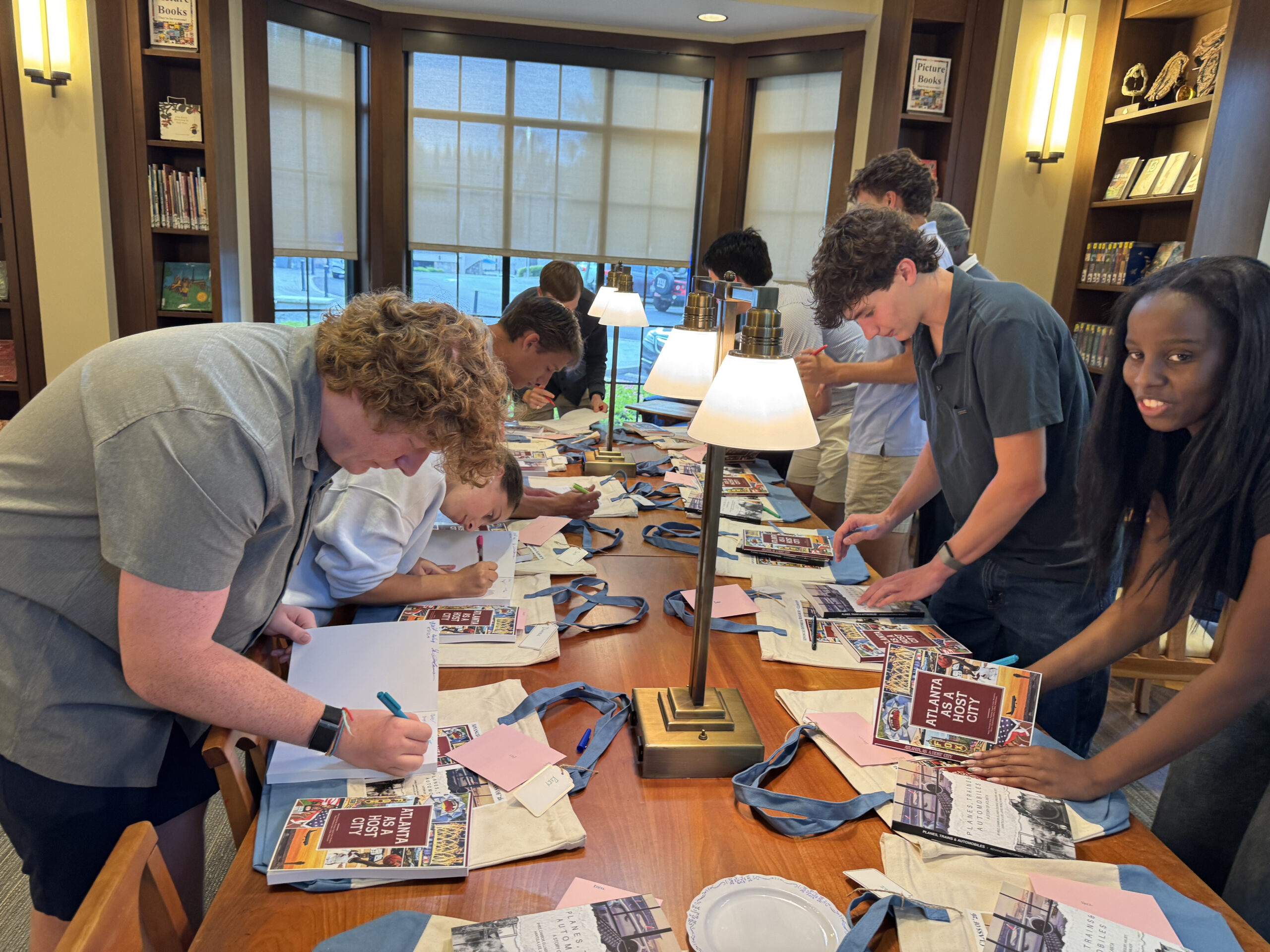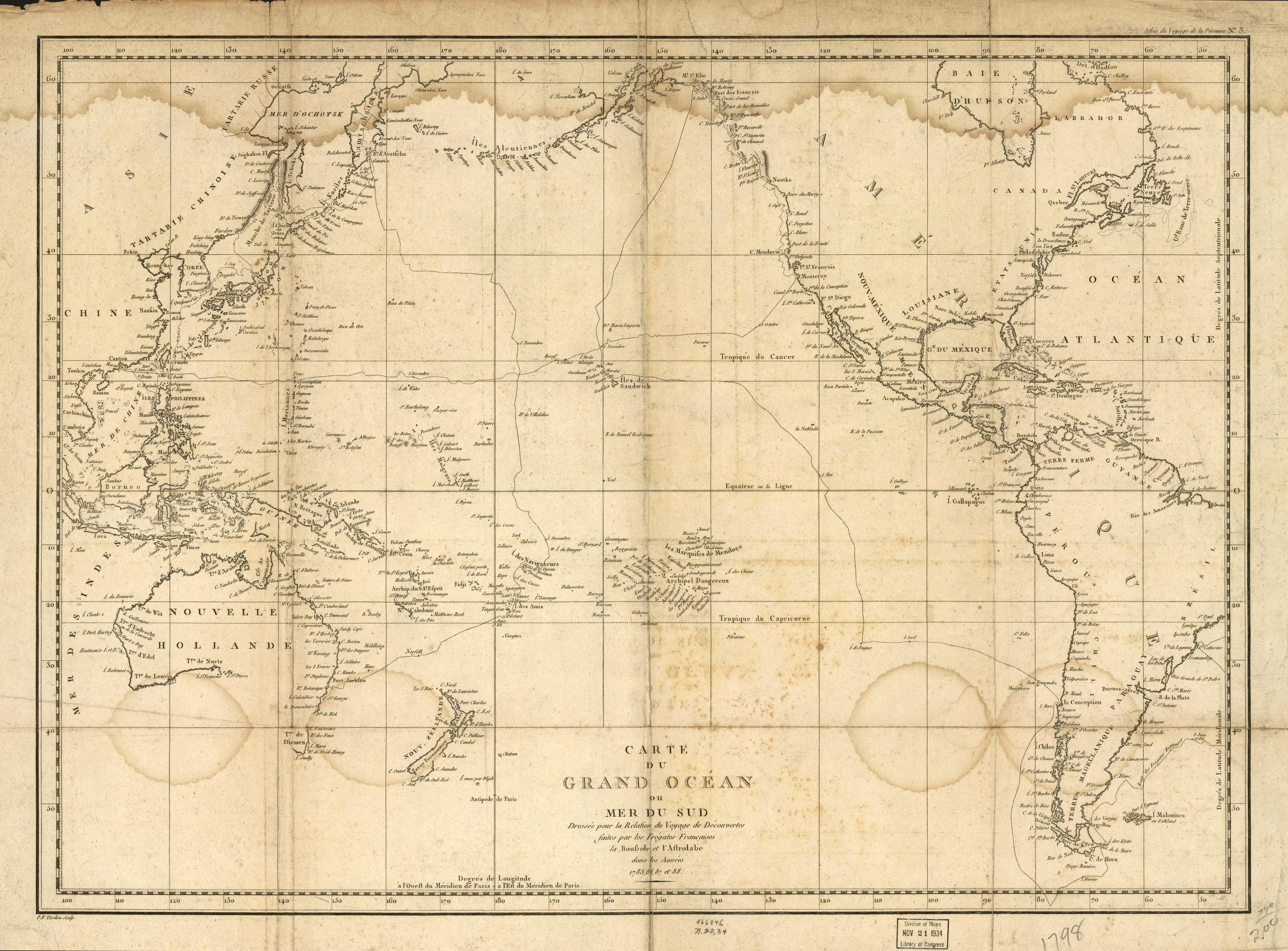
Trevor R. Getz and Steven M. Harris announced a new grassroots, faculty-led project inspired by History Gateways in “Collaborating on the Intro Course: The History for the 21st Century Project” (Perspectives on History, December 2020). With a blueprint that envisioned faculty helping one another reform introductory history courses to support student-centered, inquiry-based learning, History for the 21st Century also endeavored to tackle some of the most pressing challenges facing instructors: increased teaching workloads, varying levels of college preparedness among incoming students, declining institutional support for faculty, and an ever-changing historical and historiographical landscape spanning a dizzying array of topics. By leveraging the team’s collective expertise in historical pedagogy and research, we set out to improve how we teach, inspire our students, and assess their engagement and learning in entry-level classes. Now we can report on some results from this initiative.
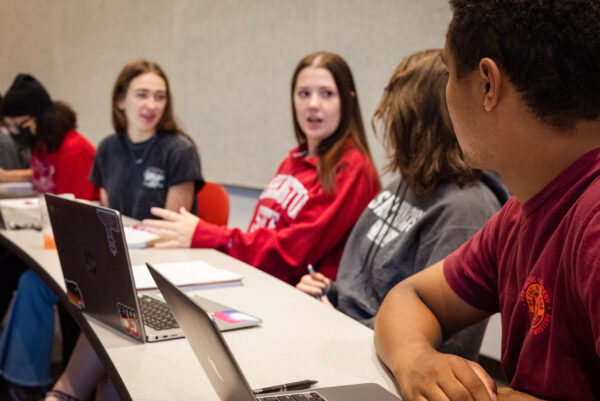
The History for the 21st Century modules are tested in classroom settings with students like these at Washington State University. Jamie Seckington
We advocate for an inquiry-based approach by which students pose meaningful questions, interpret evidence, compare perspectives, and construct historical accounts. Inquiry engages students in the practices of historical knowledge production and supports the development of transferable skills—such as critical literacy and analytical reasoning—while avoiding the replication of content common to surveys of large topics.
This approach challenges students to progress to the more independent and open-ended forms of inquiry necessary for success at the postsecondary level. We are inspired by initiatives at institutions such as the University of Houston and California State University, Long Beach, which are working to build these skills in their courses. We also recognize that this form of instruction requires significant time, planning, and pedagogical expertise. Just as students benefit from scaffolding, instructors need adaptable materials, clear instructional models, and practical guidance. Offering these resources is central to our mission.
We work together to produce accessible, inquiry-based learning across a wide range of instructional contexts, including high-enrollment survey courses. Thus far, we have designed and published 18 sets of teaching modules targeting world history courses, with more on the way, including materials for US history. Each module offers two weeks of inquiry-driven, student-centered education for use in active-learning courses of any size. To date, modules have been taught in courses of up to 250 students. Our authors are professionally trained academic historians—from senior scholars to doctoral candidates—who work with collaborators from our team. Each module includes course readings, primary sources, instructor guides with detailed backward-designed lesson plans, explicit learning objectives, editable slide decks, suggested final assessments, and other course materials.
Thus far, we have published 18 sets of teaching modules targeting world history courses.
All modules undergo a double-anonymized peer review by content specialists and experts in the Scholarship of Teaching and Learning and then testing in introductory history courses by faculty from our community of practice and their students. This multilayered review process has helped us to ensure scholarly understandings of topics and support student engagement. Modules can be assigned together to form an entire course, used to augment an existing one, or modified to support an instructor’s area of expertise or interests.
Current modules cover wide chronological periods of world history. Outside of a single time period are Your Place in the World and Unsovereign Space. Modules centered on the Black Death and the Chinese and Parthian Empires will interest those teaching the premodern world. For the early modern period, instructors will find piracy, utopias, the silk trade, refugees, and our newest module Collecting in the Colonies: Hidden Histories of British Science. The long 19th century is covered with monuments to revolution, colonialism and imperialism, global medievalisms, and the global 1905. Finally, the 20th-century modules are on African diaspora, decolonization, and anticolonialism.
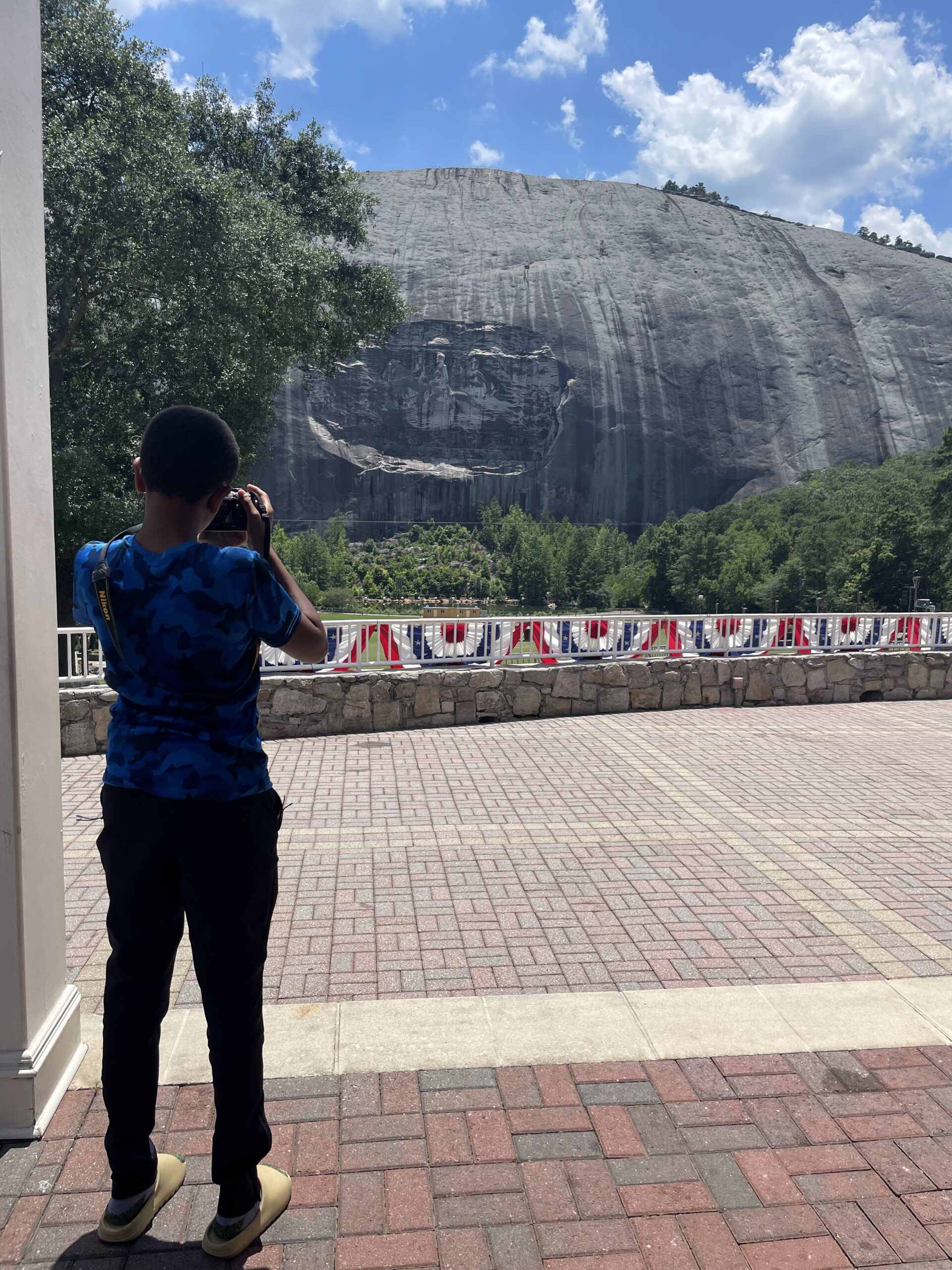
Each module bridges gaps between what experts on teaching and learning understand and what faculty and students achieve by forming meaningful connections between history and their own lived experiences. In Monuments and Memories in the Atlantic Revolutions, students explore the events and legacies of the American, French, and Haitian Revolutions through the prism of how these episodes have been commemorated across time. The module opens with students exploring the monument landscape in the United States by identifying an example they are familiar with, investigating what or who it commemorates, when it was created, and why. By making historical commemoration relevant to students’ lives, the activity encourages personal investment, as students learn how to interpret monuments as historical sources and are introduced to the module’s core questions: Who and what is remembered and forgotten, and why? How do monuments convey meaning? How do those meanings shift over time?
In subsequent lessons, students examine key events, values, and motivations of three Atlantic revolutions. In class, they practice source analysis and engage in activities that explore each revolution’s commemorative landscape. The module culminates in an activity that asks students to identify and revise an existing monument or design a new one. As they work, they are encouraged to reflect on the significance of these revolutions, including such abstractions as freedom and equality and the corresponding rights designed to protect them. We thereby invite students to see themselves as part of an ongoing conversation about both the pastness of the past and its contemporary relevance.
Over the past two years, we have adopted an evidence-based approach to assess the impact of our project, inviting student feedback and enlisting an expert in educational research to help interpret their responses and guide future studies. In over 1,000 student replies, 70 percent indicated that they connected module content to their prior knowledge or experiences, 64 percent reported frequently linking their learning to contemporary issues, and 62 percent reported high levels of overall engagement. Given that these modules are often used in large introductory courses, these results are promising.
In open-ended responses, students elaborated on what they found engaging, inspiring, or thought-provoking. Many noted that primary sources helped them feel more connected to the past and better able to see history from multiple perspectives, emphasizing how the materials prompted them to broaden, nuance, and sometimes reconsider previous assumptions. In response to Monuments and Memories in the Atlantic Revolutions, for instance, many students described rethinking the meaning of statues they were familiar with or thinking more deeply about whose perspectives were excluded from existing monuments.
Two broad themes have emerged in students’ descriptions of their learning: making connections between past and present, and synthesizing ideas across historical contexts to identify larger patterns. Many students reflected on the enduring legacies of colonialism. Others described making connections between topics they had not previously considered in relation to each another, such as slavery and piracy. Several noted that studying the global silk trade deepened their understanding of how commerce fostered interconnectedness both in the past and today. History for these students became not only more comprehensible but more personally meaningful as well.
History became not only more comprehensible but more personally meaningful.
Of course, modularized inquiry units run the risk of fragmenting historical understanding—“postholing” topics without sufficient connective fencing. These modules were designed with that risk in view. Thus, while bounded by specific topics and time periods, all are anchored in enduring questions that support students in making connections across eras and to the present. That is, we design the units to augment, replace, or become part of history surveys we already teach. Future iterations will continue foregrounding “big questions” that facilitate student learning and engagement.
Areas for improvement remain. Some students reported needing additional background knowledge. Others struggled with pacing or overall reading loads. We will continue refining our module design to support the diverse range of learners we serve, knowing how and what to improve because our project deliberately integrates faculty and student feedback.
The abrupt cancellation of a multiyear NEH grant in 2025 disrupted our project, but successful litigation by the AHA and co-plaintiffs resulted in a ruling that the mass grant termination was unlawful. The grant is now in the process of being reinstated. This important victory will allow us to produce more modules in the coming months, and the experience has only strengthened our resolve to improve teaching and learning in introductory history courses. A pilot collaboration with faculty at the University of Arkansas demonstrated that adopting our modules not only enriched learning environments but also reduced faculty workloads by decreasing the time needed to prepare course materials and class sessions. Today, we are expanding our research into how we can better design lessons to facilitate transformative learning and enhance student engagement. We are also committing resources to materials targeted specifically at the new opportunities and challenges posed by artificial intelligence.
In all our initiatives, we rely on our greatest asset: collaboration and cooperation among history faculty. If you want to help—with writing, peer-reviewing, and/or testing modules, with project developments and long-term planning, or by allowing us to survey your students about their learning experiences—contact us at info@history21.com. There are many challenges facing educators today. We are better off when we face them together.
Jesse Spohnholz, Brenna Miller, Eric Nelson, Alex Honold, and Trevor R. Getz are history faculty and members of the History for the 21st Century team.
This work is licensed under a Creative Commons Attribution-NonCommercial-NoDerivatives 4.0 International License. Attribution must provide author name, article title, Perspectives on History, date of publication, and a link to this page. This license applies only to the article, not to text or images used here by permission.