In recent months concern has been increasing about the quality of academic programs offered at American high schools. It has ranged from carefully framed criticism in the reports of the National Commission on Excellence in Education and the Carnegie Foundation to inflammatory remarks in local newspapers decrying the decline in aptitude and achievement scores.
It has always been the position of those of us engaged in Advanced Placement teaching that the existence of the program in a given school has a beneficial effect on the overall school program. The AP program often creates a need for more challenging courses throughout the curriculum in order to develop skills necessary for success in AP. Thus, creation and strengthening of AP programs will enrich the entire curriculum and thereby respond effectively to the critics of secondary school education. This introductory article offers certain reflections on ways to enrich AP American and European history teaching with the active support of area colleges, for the benefit of both. It was inspired by a New York Times news story entitled “Heads of Six Universities Vow to Improve Schools” (August 16, 1983).
That story addressed the need for universities to play a role to “insure excellence in a full access system of secondary schools”; it reported on a two-day informal conference of the presidents of Harvard, Stanford, and Columbia, and the Universities of Chicago, Michigan, and Wisconsin, and the deans of the schools of education at Harvard, Columbia, Stanford, and the University of California at Berkeley. The participants agreed to encourage university faculty in the arts and sciences, as well as in schools of education, to assist their colleagues in the secondary schools in the process of curriculum reform. In relation to AP American and European history, this assistance might take various forms. Although both college and secondary school teachers have much to gain from such cooperation, this article will focus on the benefits to high school teachers.
A high school AP teacher’s schedule usually precludes extensive research and, in fact, allows limited time for keeping up with scholarly literature. College teachers might thus serve as resources in apprising us of the latest interpretations of the more traditional political and diplomatic topics and in introducing us to studies published, for example, in the newer social history. The need for this assistance in course revision was underscored by Mary Lifka of Mundelein College (Perspectives, September 1983), when she referred to “the addition of social history to the AP European history course,” asserting that “family structure, gender roles, literacy effects, and demographic patterns complement the traditional political and diplomatic topics” in European and American history. The opportunity to share expertise might be approached in different ways: daylong or weekend conferences, formal lecture/discussion minicourses, or occasional special programs offered by a single college department.
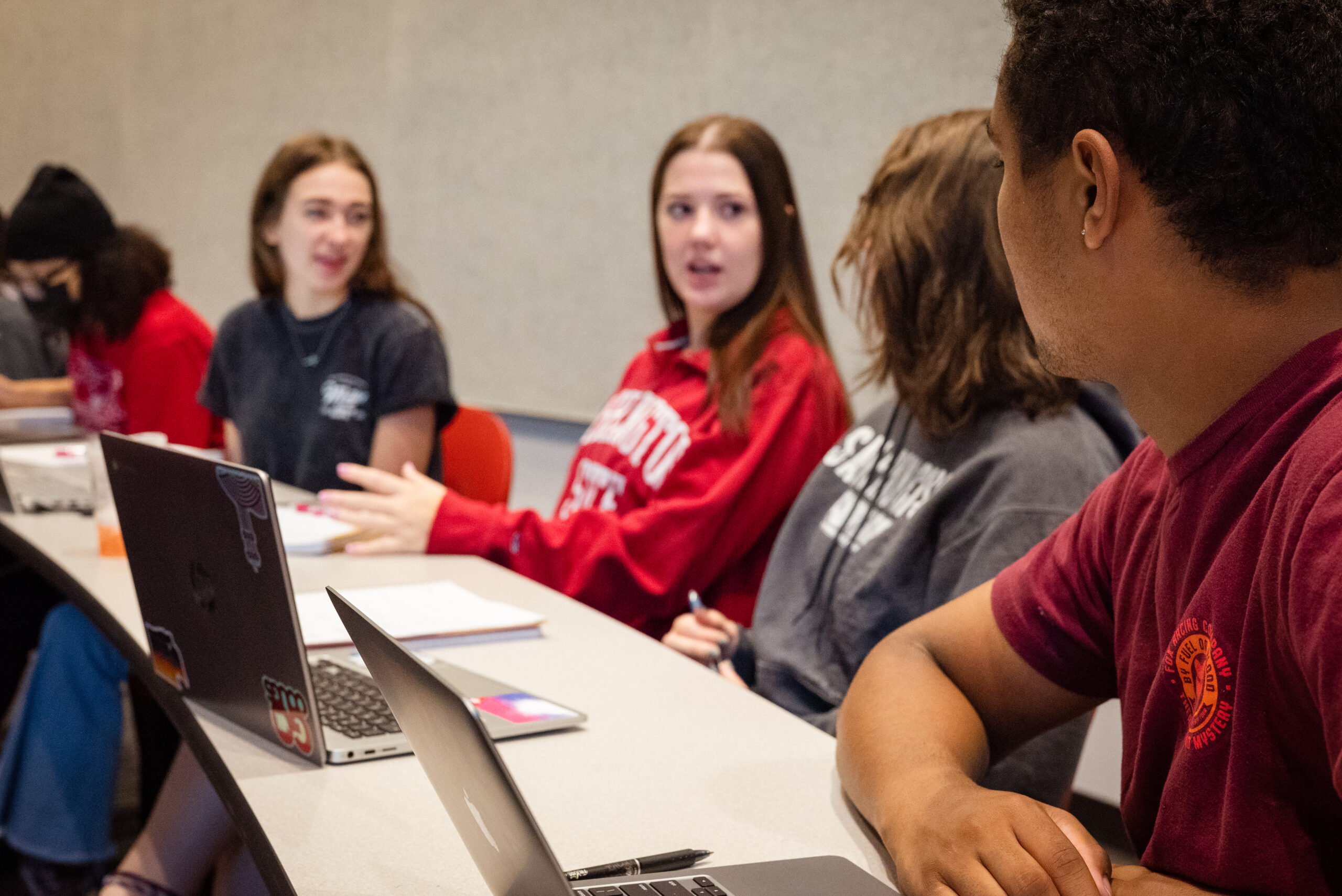
The weekend conference format might follow the Iona College model (see Ernest Menze’s remarks in Viewpoints, Perspectives, April 1983). This regional conference on the teaching of history, cosponsored by Iona College and the Teaching Division of the American Historical Association attempted to bring together secondary school and college history teachers to discuss common concerns such as skill development, methods, materials, recent interpretations, and ways of encouraging greater articulation between the two levels of instructors. One workshop addressed specific concerns of AP teachers. Sixteen other panels and workshops included some that dealt with social history topics. This conference provided the opportunity to learn from lecture presentations, discussions in the workshops, and informal conversations with colleagues from area institutions.
At present, courses and workshops focusing on materials, methods of instruction, and student mastery of reading, writing, and analytical skills may be available. However, more intensive-content programs designed to assist AP teachers in their own course revisions are needed. In her article, “Considerations in Planning and Revising an AP or Survey Course” (Perspectives, April 1983), Mildred Alpern of Spring Valley Senior High School described the need to incorporate “gender-balanced materials” in an effort to achieve the “integration of men’s and women ‘s history.” Members of local college faculties could assist by presenting weekly or monthly lectures or seminars offering the scholar’s critical introductions and insights. The National Endowment for the Humanities project, “Strengthening the Humanities Through Foreign Language Studies,” involving Marymount College faculty and high school teachers from Tarrytown and Lakeland, New York, is an example of collaboration in areas of curriculum enrichment and instructional method—a collaboration that could be achieved in history as well.
Finally, the faculty of a local college such as La Salle, whose program is described in the following article by George B. Stow, could offer a daylong miniconference for American and European history teachers. This would have the advantage of combining the best features of the method- and content-oriented workshops. Depending on the expertise and interests of college faculty, lectures and discussions could focus on just about anything.
AP history teachers have always been committed to the task of introducing students to the richness and complexities of the subject and, therefore, inspiring them to pursue more advanced historical studies at the college level. The efforts of college professors to assist secondary school teachers in refinement of their AP courses will be rewarded as more thoroughly prepared students enter college courses in the future.
Alice Duffy Grant teaches Advanced Placement European and American history at Pelham Memorial High School in Pelham, New York.