Alix Genter is a freelance academic editor. She lives in Blue Bell, Pennsylvania, and has been a member since 2019.
Alix Genter
Alma maters: BA (American studies), Barnard College, 2005; PhD (US history, women’s and gender history), Rutgers University, 2014
Fields of interest: gender, sexuality, queer, race, United States
Describe your career path. What led you to where you are today?
After getting my PhD in 2014, I taught US women’s history for a few years but did not land a permanent faculty position. I had so wanted a grand academic career—the one we’re supposed to have—but taking a different path turned out to be a blessing in disguise. I launched my editing business in 2017 and realized that while teaching can be rewarding, what I really love about academia is the scholarship. Helping other scholars refine their writing, sharpen their arguments, and ultimately publish their work is enormously fulfilling, plus I get to read and learn new things every day!
How have your historical interests evolved across your career?
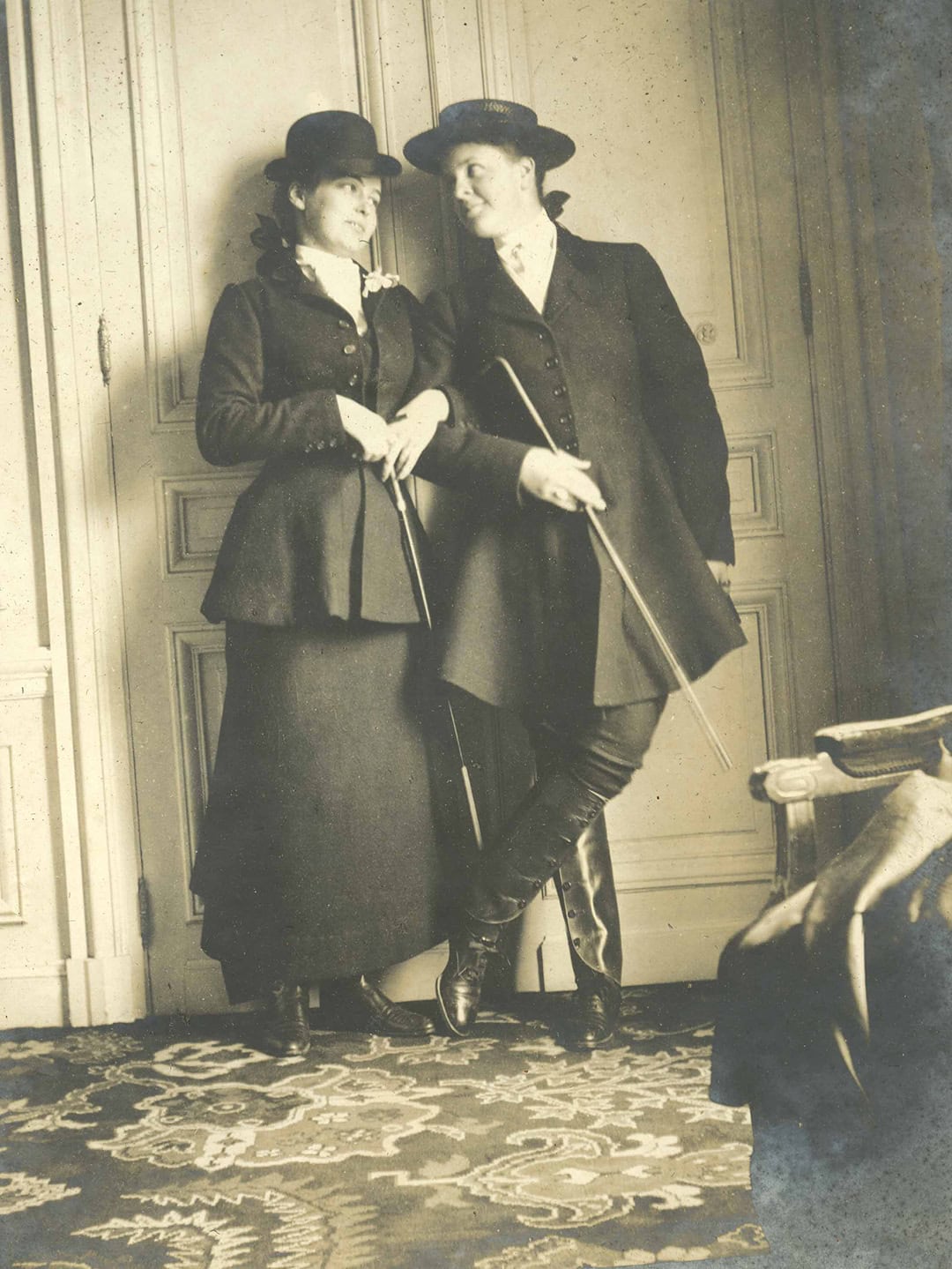
As a graduate student and in the few years after earning my degree, my interests were planted firmly in US women’s and gender history. I wrote my dissertation about butch-femme lesbian culture in the post-World War II United States. Histories (and historians) of gender, sexuality, and queerness were and continue to be my intellectual home. However, pivoting to editing has introduced me to a range of historical topics with which I had little knowledge or, I assumed, interest. But doing this work has taught me that my interests are much broader than I thought. From 19th-century oil refining in the US, Indonesian colonialism, and postwar French architectural movements to long-time favorites like African American women’s activism, I’ve found that I am truly fascinated by any project that comes across my desk.
What projects are you currently working on?
I have some ongoing editing projects in the works and am thrilled to say that a couple of books I edited are coming out soon. It’s so exciting to hold the finished product in my hands. As for my own research, my book manuscript about midcentury lesbian culture is always in the back of my mind. Maybe I’ll finish it someday!
What is your favorite historical site to visit?
The Lesbian Herstory Archives in Brooklyn, New York, is at once a treasure trove for researchers and a destination for anyone interested in queer life, past and present. The LHA was founded in 1974 as a feminist project to collect, share, and preserve lesbian history. I’ve conducted a lot of research there, of course, but the archives also welcome guests to tour and browse their holdings, and over the years I’ve attended many lectures, film screenings, and other community events in their beautiful, warm brownstone. It is an important hub of queer history, culture, and community that holds a dear place in my heart.
Who in your life served as a teacher or mentor and influenced your understanding of history?
On that note, I am so fortunate to have crossed paths with Joan Nestle and Deborah Edel—two of the LHA’s original founders—whom I am thankful to call friends and mentors. Joan’s writings about her life as a “fifties femme” inspired me long before I met her, and having the opportunity to interview her for my research and to remain in touch has lent such depth to my work. Likewise, Deb and her partner Teddy Minucci introduced me to the archives early on in my academic career and have been incredibly generous and supportive ever since.
Do you have a favorite experience with the AHA?
Definitely! The LGBTQ+ History Association has a robust presence at the AHA annual meeting and their sponsored reception is always a blast.
AHA members are involved in all fields of history, with wide-ranging specializations, interests, and areas of employment. To recognize our talented and eclectic membership, Perspectives Daily features a regular AHA Member Spotlight series.
This work is licensed under a Creative Commons Attribution-NonCommercial-NoDerivatives 4.0 International License. Attribution must provide author name, article title, Perspectives on History, date of publication, and a link to this page. This license applies only to the article, not to text or images used here by permission.