
Erica Rhodes Hayden is a professor of history at Trevecca Nazarene University. She lives in Nashville, Tennessee, and has been a member since 2008.
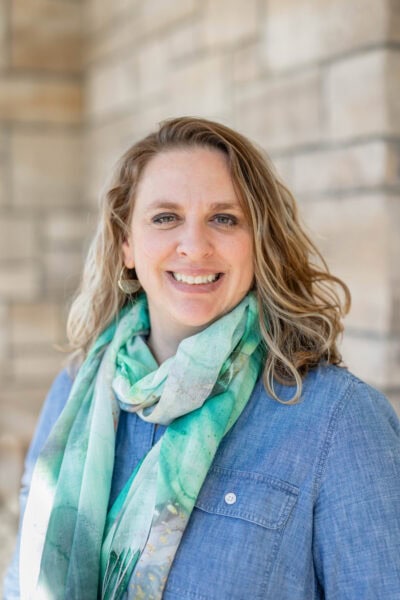
Erica Rhodes Hayden
Alma maters: BA, Juniata College, 2007; MA, Vanderbilt University, 2009; PhD, Vanderbilt University, 2013
Fields of interest: 19th-century US, African American, women, social movements, crime and punishment
Describe your career path. What led you to where you are today?
I always wanted to study history. I entered a graduate program right after graduating college. During graduate school, I sought out research and teaching opportunities, learning to write funding proposals and designing curriculum in order to be well-rounded on the job market. After earning my PhD, I spent a year adjunct teaching at various community colleges before landing a tenure-track job at the university where I currently teach. I’ve learned to balance teaching with research and writing, finding pockets of time where I can publish.
How have your historical interests evolved across your career?
I started out my career very focused on crime and punishment history, particularly as it related to women in the United States in the 19th century. That interest in women who encountered the criminal justice system has spiraled outward becoming more interested in voices of those who have been marginalized in history in general: women, the poor, people of color, the incarcerated. In recent years, I’ve been focused on the history of social movements and grassroots activism.
What projects are you currently working on?
Current projects include developing a history program for incarcerated individuals in my state and serving as book review editor for Women and Social Movements in the United States since 1600. I’m continuing research on women’s philanthropy in Nashville as well as on 19th-century incarceration in Nashville.
What is your favorite historical site to visit?
My favorite historical site to visit is Colonial Williamsburg. I love the living history aspect and the ongoing archaeology and detailed stories to tell a more comprehensive narrative about colonial and revolutionary life.
What’s the most fascinating thing you’ve ever found at the archives or while doing research?
The most fascinating thing I ever found while doing research was in a local historical society where I found in a box of artifacts a noose and shackles from the last hanging in that county. Finding those artifacts is actually what started me on the path of studying the history of crime and punishment. I had so many questions about why such an artifact was kept and what it told me about the community, their values, and interest in crime.
Who in your life served as a teacher or mentor and influenced your understanding of history?
I have several mentors that I credit with my professional development: Richard J.M. Blackett, Dave Hsiung, Jim Tuten, and Belle Tuten.
What do you value most about the history discipline and community?
I love the fact that history is always developing and something that seemingly has been explored completely is open to new interpretations and new findings. It’s such a dynamic discipline, and with the current social and political climate, the work we do as historians has taken on a lot more meaning and importance. It’s a privilege to be in community with historians who see the importance of each other’s work and seek to educate new generations of students and the public. We historians understand the privilege we have to do this work as well as the responsibility we have to our communities. We don’t take this lightly!
Do you have a favorite experience with the AHA?
The AHA meeting is always so informative. I’ve been to several, and I love the variety of panels, networking with others, and seeing the new scholarship in the field. I always leave conferences feeling inspired.
AHA members are involved in all fields of history, with wide-ranging specializations, interests, and areas of employment. To recognize our talented and eclectic membership, Perspectives Daily features a regular AHA Member Spotlight series.
This work is licensed under a Creative Commons Attribution-NonCommercial-NoDerivatives 4.0 International License. Attribution must provide author name, article title, Perspectives on History, date of publication, and a link to this page. This license applies only to the article, not to text or images used here by permission.
Related Articles
Sorry, we couldn't find any articles.